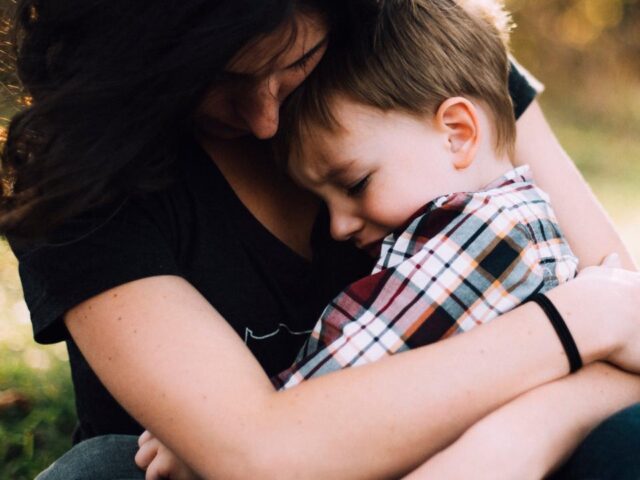
My nephew asked, three days after my sister brought his baby sister home from the hospital, if they could “send her back now,” in a completely serious tone that took everyone by surprise.
He wasn’t being cruel or manipulative. He was four years old, and his entire world had just been rearranged without his vote or his input, seemingly overnight from his perspective.
I was at my sister’s house most days that first month, close enough to watch the whole adjustment unfold in real time, close enough that some of this advice is as much hers as it is mine.
Between the two of us, we’ve now been through this exact transition with two different kids, two very different temperaments, and enough overlapping lessons that a pattern started to emerge worth writing down.
Helping an older sibling adjust to a new baby isn’t about convincing them to feel happy about the change immediately, or pretending the adjustment isn’t genuinely hard for them, no matter how many times someone tells them they’re about to be a wonderful big brother or sister.
It’s about making real room for the harder feelings underneath while still actively protecting the relationship you’re hoping they’ll eventually build with each other, one small, unglamorous week at a time.

Expect regression, and don’t panic about it
A newly potty trained older sibling suddenly having accidents again, seemingly out of nowhere.
A child who slept through the night for months suddenly wanting a parent back at bedtime, every night, without exception.
Regression after a new baby arrives is one of the most common, most developmentally normal reactions there is, even though it can feel alarming in the moment it starts happening.
It’s temporary far more often than it’s permanent, in what I watched with my nephew and in what most child development guidance actually says about it when you ask directly, even when it feels endless while you’re in the thick of it.
The regression itself is a form of communication, a way of saying “I need reassurance that I still matter here,” even when a child doesn’t have the words to say that directly.
Name the hard feeling before you try to fix it
“It’s strange having a new baby here who needs so much of my time” validates what’s actually happening for your older child without you having to pretend everything is fine when it clearly doesn’t feel fine to them yet, and without turning it into a bigger conversation than a four-year-old actually needs.
Kids tend to settle faster into a new normal when the uncomfortable truth is said out loud plainly, rather than glossed over with forced positivity about how exciting having a sibling is supposed to be.
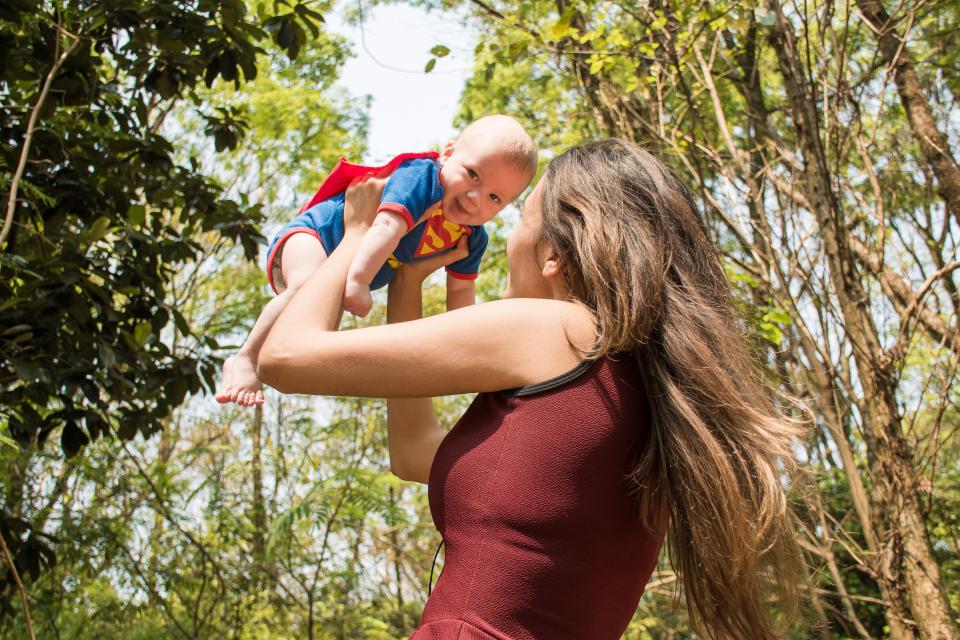
Give them a real job, not a symbolic one
“Big helper” roles work best when they’re genuinely useful in some small way, not just something invented to make a kid feel included without any real substance behind it.
Picking out the baby’s outfit for the day, choosing a song to sing at bedtime, holding a diaper steady before it’s actually needed.
Small but real contributions like these build actual pride in the new role, not performed enthusiasm that fades within a week.
My sister gave my nephew the job of picking his sister’s outfit every morning, and within a couple of weeks he was announcing his choices at breakfast like it was the most important decision of the day.

Protect one-on-one time, even in small amounts
Ten minutes of fully present, baby-free attention does more for an older sibling’s overall adjustment than an entire hour of divided, half-present attention split between two kids at once.
It doesn’t have to be elaborate or planned in advance.
A short walk around the block, a few minutes of a game they specifically choose. The underlying message that gets across is simple and repeated: you still matter exactly as much as you did before, not less.
Watch for jealousy that shows up sideways
Not every sign of jealousy actually looks like jealousy on the surface.
Sometimes it’s aggression directed at a completely unrelated toy. Sometimes it’s suddenly refusing foods they used to genuinely like without complaint.
Sometimes it’s picking fights over things that have nothing obvious to do with the baby at all, on the surface.
If the overall sibling dynamic has gotten noticeably sharper since the baby arrived, these scripts tend to help meaningfully even when the underlying root cause is specifically the new arrival rather than anything else.
Don’t force affection toward the baby
“Go give your sister a kiss” can feel like one more demand stacked directly on top of an already huge adjustment your older child is navigating.
Let affection develop naturally at its own pace instead of manufacturing it on a schedule that suits your timeline rather than theirs, even when that pace turns out to be slower than you’d quietly hoped it would be.
Say the reassurance out loud, more than feels necessary
“Having a baby sister doesn’t mean less love for you, it means more people in this family who get to love you” is a sentence worth repeating well past the point it starts to feel redundant to the parent saying it.
Kids absorb reassurance like this through sheer repetition over time, not by hearing it once, clearly, and simply filing it away as settled.
What actually helped in the exhausted first weeks
My sister was recovering physically, sleep-deprived in the way only a newborn’s schedule creates, and still trying to show up for a four-year-old who needed reassurance she didn’t have much spare capacity to give.
What helped most wasn’t a big gesture. It was other family showing up specifically for my nephew, not just to coo over the baby, so he got dedicated attention from someone even during the newborn haze when his mother genuinely couldn’t provide as much of it herself.
I made a point of arriving sometimes without even holding the baby first, going straight to him, at his eye level, before anything else happened. That order mattered more than I expected it to.
If you have family or friends offering to help during this stretch, directing some of that help specifically toward the older sibling, not just toward the new baby, tends to ease the adjustment more than most people think to ask for.
What I’d tell a friend going through this now
Lower your expectations for how smooth this transition will look, especially in the first month, more than feels reasonable going in.
A rough adjustment period isn’t a sign you’re handling it wrong. It’s close to universal, even in families that do everything “right” by every available piece of advice.
Don’t compare your particular sibling adjustment to a friend’s smoother one, or to a stranger’s curated version online. Kids vary enormously in temperament, and an older sibling’s age, personality, and how much change has happened around the same time all affect how hard this particular transition lands.
Give it real time before drawing conclusions about how it’s going to go long term. The families who describe close adult sibling relationships now almost never describe an easy, friction-free beginning to get there.
The relationship builds slowly, not all at once
My nephew didn’t fall in love with his baby sister on day three, or even by day thirty, no matter how much my sister had hoped for an easier, faster transition than the one they actually got.
It happened slowly, across several months, somewhere around her learning to genuinely laugh at his jokes for the first time.
Now they’re inseparable, in the specific, loud, occasionally chaotic way siblings often are once the early adjustment period has passed.
The rocky start wasn’t a sign it wouldn’t eventually work out between them. It was simply the actual, unglamorous beginning of it, longer and messier than anyone tells you to expect going in.
The American Academy of Pediatrics lists sibling regression and jealousy after a new baby’s arrival as expected, normal developmental responses, not warning signs, and typically resolving within a few months of consistent reassurance and routine.
That timeline matched almost exactly what I watched happen in my sister’s house, month by month, long before anyone would have called it settled.
My nephew is eleven now, and his little sister follows him around the house like a shadow he mostly, generously, tolerates.
He still remembers wanting to send her back, and he’ll tell that story himself now, laughing, at family dinners, fully aware of how far they’ve come from that particular week.
That’s usually how it goes, in my experience watching more than one family through this. Not a smooth transition into instant sibling closeness, but a slow, unglamorous build that eventually turns into something neither of them would trade.
If you’re in the rocky early weeks of this right now, that ordinary, unremarkable future closeness is still on its way, even on the days it feels like it might not be.