
My daughter’s questions about our upcoming move shifted from curious to visibly worried within just a few days, and I had to figure out how to actually address it.
A child anxious about an upcoming move needs specific, honest support to actually ease the transition, not just reassurance that everything will be fine. Reassurance alone tends to skate right past the actual worry without ever landing on it.
Here’s what genuinely helps, based on what worked in our house and what other parents who’ve navigated the same transition have described.
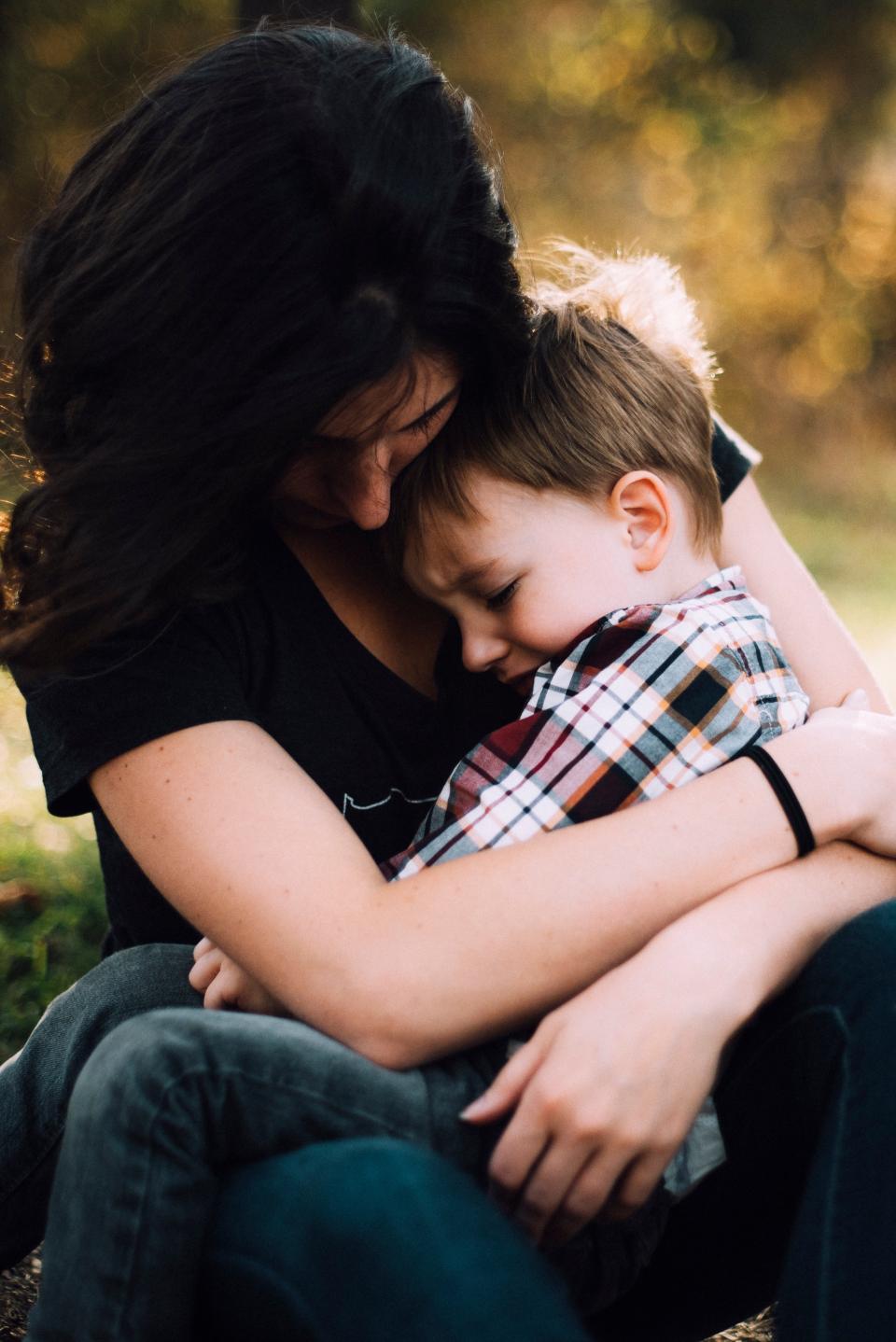
Why an upcoming move triggers real anxiety
A move represents loss of the familiar, friends, home, routine, all at once, which is genuinely significant even when the move itself is positive. For an adult, a move is a logistics project with an emotional layer. For a kid, the emotional layer often is the whole event, since they usually have far less control over the decision and far less ability to picture what’s actually coming next.
Kids often worry about specific, concrete details, adults might not think to address directly. It’s rarely the big picture, “will I be happy in the new city,” that keeps a kid up at night. It’s smaller, more specific things: will my new room have a window, will I get to keep my nightlight, will the new school have the same kind of playground.
Taking this anxiety seriously, rather than dismissing it as overreaction, opens the door to actually addressing it. A kid who feels brushed off tends to stop voicing the worry out loud, which doesn’t mean the worry disappeared. It usually just went underground, where it’s harder to help with.
When Your Child Is Anxious About an Upcoming Move
Ask specific, concrete questions
“What’s the part you’re most worried about” often reveals a specific, addressable concern rather than vague general anxiety. Open-ended but targeted questions like this tend to get much further than “are you okay with the move,” which is easy to answer with a reflexive yes even when the honest answer is more complicated.
Involve them in the process directly
Letting a kid choose their new room’s paint color or help pack their own things builds genuine agency within an unwanted change. Even small decisions, which box to decorate, where a favorite poster goes, give a kid a sense of authorship over a transition that otherwise feels like something happening to them rather than with them.
Maintain connection to what’s familiar
Facilitating continued contact with current friends eases the sense of total loss during the actual transition. Video calls, a planned visit, even just an ongoing group chat for older kids, all signal that the move is a change in location, not a total severing of everything that mattered before it.

Visit the new location together if possible
Seeing the actual new home or neighborhood in advance can replace abstract worry with more concrete, manageable information. A photo tour, if an in-person visit isn’t possible, still gives a kid something real to picture instead of an unknown blank space their imagination will otherwise fill in with worst-case scenarios.
Validate the loss directly
“It’s okay to be sad about leaving, even if the move is a good thing” honors the genuine complexity of the feeling. Kids are fully capable of holding two true things at once, excitement about a new house and grief about an old one, and naming that complexity out loud tends to make it easier to carry.
What tends to make this anxiety worse
Dismissing worry with “you’ll make new friends” skips past the genuine, current loss a kid is actually feeling. It’s true, and it’s also beside the point in the moment, since the worry isn’t really about the future friend, it’s about the very real friend right now who’s about to become much harder to see.
Waiting until the last minute to discuss details leaves more room for anxious, filled-in worst-case scenarios. Kids, like adults, tend to fill information gaps with their most catastrophic guess. The earlier real, concrete details are shared, the less room there is for imagination to run in an unhelpful direction.
Focusing only on the positives of the move can inadvertently suggest that grief over the loss isn’t allowed. A relentlessly upbeat framing, however well-intentioned, can leave a genuinely sad kid feeling like their sadness is somehow the wrong response to be having.

What specific worries often underlie the anxiety
Concerns about making new friends, finding their way around, or missing a specific person are common, addressable worries. Naming these categories out loud, even offering them as options if a kid struggles to articulate their own worry, can help surface what’s actually underneath the general unease.
Younger kids may worry about more concrete details, their specific room, a favorite nearby place, that adults might overlook entirely. A four-year-old isn’t usually worried about the school district. They might be genuinely worried about whether the new house has stairs, or whether their favorite tree will be nearby.
Asking directly, rather than assuming, reveals what actually needs addressing for your specific kid. Every kid’s list of concerns will look at least a little different, shaped by their own temperament, age, and what they personally value most about their current life.
How age changes the way this anxiety shows up
Younger children often express moving anxiety indirectly, through clinginess, sleep disruption, or a sudden uptick in tantrums, rather than through clearly articulated worry. They may not have the vocabulary to say “I’m anxious about the move,” so the anxiety leaks out through behavior instead.
Older kids and preteens tend to worry more about social standing, whether they’ll fit in, whether their current friendships will survive the distance, and whether they’ll have to start over completely in terms of social status. This can make them more withdrawn rather than more clingy, which is sometimes mistaken for indifference when it’s actually a heavier kind of worry.
Teenagers often carry the added weight of feeling like their opinion didn’t matter in the decision, even when it genuinely couldn’t have changed the outcome. Acknowledging that their lack of control is real, rather than pretending they had more say than they did, tends to land better than false reassurance.
What to do in the weeks immediately before the move
A countdown or visual calendar helps a kid mentally prepare for the specific timeline rather than facing an abstract future date. Being able to physically cross off days gives a sense of control over an event that otherwise feels like it’s simply happening to them on a schedule they didn’t choose.
A proper goodbye ritual with current friends and places gives genuine closure rather than an abrupt, unmarked ending. A small gathering, a last visit to a favorite park, even a simple photo taken at a meaningful spot, all give the ending a shape instead of letting it just quietly happen.
Keeping other routines stable during this stretch provides some stability amid the bigger upcoming change. Bedtime, meals, and other predictable daily rhythms act as an anchor when so much else is in flux, and disrupting them on top of the move tends to compound the overall sense of instability.
What siblings need that’s different from an only child
When more than one kid is navigating the same move, their individual anxieties often look different from each other, even though they’re facing the identical change. An older sibling might be more worried about the social side, while a younger one fixates on something as specific as whether their bedroom door will still have their name sign on it.
Treating siblings as a single unit, one big “the kids are anxious about moving” conversation, can miss what’s specifically bothering each child. A brief one-on-one check-in with each kid separately tends to surface concerns that never come up in a group conversation, where the more vocal sibling often dominates.
Siblings can also become a genuine source of comfort for each other during the transition, provided they’re given room to lean on one another rather than being expected to each process it entirely alone. A shared room for the first few nights in the new house, even temporarily, has helped some families ease that specific in-between period.
What actually helped in our house
Visiting the new neighborhood together, before the actual move, replaced a lot of her abstract worry with concrete familiarity. Once she could picture the actual street, the actual house, even the actual walk to a nearby park, the move stopped being a blank unknown and started being a specific place she’d already stood in.
Letting her help pack her own room gave her real agency within a change she hadn’t chosen herself. She decided which box her stuffed animals traveled in, and insisted on carrying that specific box herself on moving day, which felt like a small thing that mattered enormously to her.
If the move has already happened and adjustment is the current focus, this look at helping your family adjust to a new city covers that related, next stage.
Anxiety about a move is a normal response to genuine loss. Honesty, involvement, and validation ease it more than reassurance alone, every time.