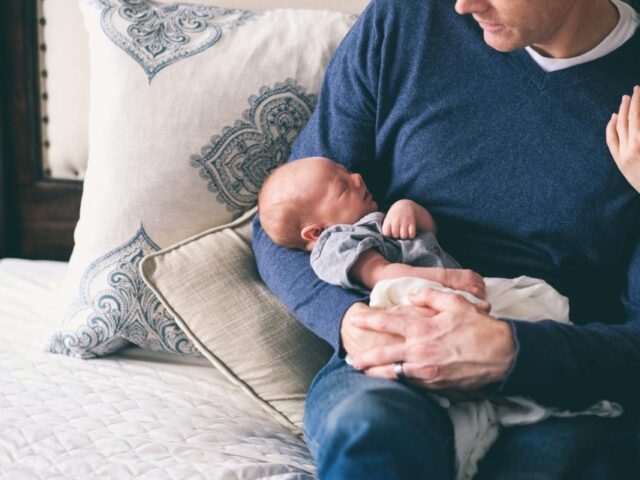
Sunday mornings in our house have a specific, unhurried shape now, pancakes, no screens until noon, and a walk regardless of weather, that took real effort to actually build.
A weekly tradition, repeated often enough to become genuinely anticipated, does something a once-a-year holiday tradition can’t quite match on its own.
Here’s why Sunday traditions specifically tend to hold a family together, and how to build one that actually sticks.

Why weekly traditions hit differently than annual ones
A tradition repeated fifty-two times a year becomes part of a family’s actual rhythm, in a way a single annual event, however meaningful, simply can’t replicate.
Weekly repetition builds genuine anticipation into the regular texture of family life, giving kids something reliable to look forward to on an ordinary, recurring basis.
Sundays specifically often sit at a natural pause point in the week, which makes them a genuinely good anchor for a tradition meant to slow things down together.
Sunday Traditions That Hold a Family Together
A consistent, unhurried breakfast
The same or similar meal, eaten slowly, without the usual weekday rush, sets a different tone for the whole day right from the start.
A weekly outdoor activity, rain or shine
A walk, a park visit, or simple outdoor time, done consistently regardless of weather, becomes a genuinely anticipated ritual rather than a weather-dependent maybe.
A screen-light or screen-free window
A protected stretch of the day without devices creates space for the kind of unstructured connection that’s harder to come by during a busier week.

A weekly check-in or reflection ritual
A simple shared conversation, a highlight and a hard part of the week from each person, builds a habit of genuine communication that extends well beyond Sundays themselves.
Preparing for the week ahead, together
A shared Sunday evening routine, planning meals or laying out the week, done as a family activity rather than solely a parent’s task, builds shared ownership of the week ahead.
Why the specific activity matters less than the consistency
Almost any repeated activity can become a meaningful tradition, given enough consistency. The specific choice matters less than most parents initially assume.
Kids attach meaning to the reliability itself, not necessarily the particular content, which means a simple, sustainable choice beats an elaborate one that’s hard to maintain.
Traditions can and should evolve as kids grow, keeping the same underlying rhythm while the specific activities shift to match changing interests and ages.

What tends to derail a weekly tradition
Overcomplicating it, requiring extensive prep or planning, tends to make a weekly tradition unsustainable over time compared to a simple, repeatable one.
Skipping it easily whenever something else comes up gradually erodes the consistency that makes it meaningful in the first place.
Making it feel mandatory and joyless, rather than genuinely anticipated, defeats the purpose it’s meant to serve for the whole family.
How to actually start one if you don’t have any yet
Pick one small piece first, not the whole day, and give it several weeks of genuine consistency before deciding whether it’s actually working for your family.
Involve your kids in choosing at least one element, even a small one, since a tradition they helped shape tends to get embraced faster than one simply announced to them.
Resist the urge to make it elaborate or Instagram-worthy from the start. The simplest version, repeated reliably, tends to outlast an ambitious one that’s hard to sustain.
What to do when Sundays are already genuinely busy
Even fifteen or twenty protected minutes, breakfast together without devices, a short walk around the block, can function as a real tradition without requiring a fully cleared day.
For families with regular Sunday obligations, sports, religious commitments, work, choosing a different consistent day entirely can work just as well, since the specific day matters less than the weekly rhythm itself.
The goal is a repeatable, protected pocket of connection, not necessarily a specific day. Adapt the framework to whatever day genuinely works for your family’s actual schedule.
How our own Sunday tradition actually developed
It started small, just pancakes, nothing else, mostly because that was genuinely sustainable for us to actually repeat every single week without exception.
The walk got added later, once the breakfast piece had become solid and automatic, layering slowly rather than trying to build the whole tradition at once.
My daughter now asks about Sunday specifically starting Thursday, which is the clearest evidence I have that the anticipation itself has genuinely taken hold.
What this weekly rhythm has actually given our family
A reliable, protected pocket of connected time that doesn’t depend on a special occasion or a particular mood to happen, built into the regular structure of an ordinary week.
A shared reference point, “like on Sundays,” that’s become its own small piece of family language and identity beyond just the specific activities themselves.
If you’re building out family culture more broadly, this look at family values worth actually teaching on purpose pairs well with weekly traditions as a way of living those values out consistently.
A weekly tradition doesn’t need to be elaborate. It needs to be simple enough to actually repeat, consistently, until it becomes something your family genuinely looks forward to.
What I’d tell a family just starting out
Give it more time than feels reasonable before judging whether it’s working. The anticipation, the part that makes a tradition actually meaningful, takes real repetition to build.
Start smaller than you think you need to. A simple, sustainable Sunday habit beats an ambitious one abandoned after a few busy weeks.
What happens when the tradition gets interrupted
A missed Sunday here and there, travel, illness, an unavoidable commitment, doesn’t undo months of consistency, though it’s worth noticing if missed weeks start becoming the norm rather than the rare exception.
Naming the interruption out loud, “we’re skipping our usual Sunday this week because of the trip, but we’ll be back to it next week,” helps a kid understand the tradition is being paused, not abandoned.
Returning to it the following week without extra fanfare, just picking the rhythm back up as normal, reinforces that the tradition is a stable, dependable part of your family’s life rather than a fragile thing that broke.
How extended family sometimes gets woven into the rhythm
Some families invite grandparents or other relatives into a specific piece of the weekly tradition, a standing video call during breakfast, an occasional in-person visit, which extends the sense of connection beyond just the immediate household.
This works best as an occasional layer rather than a requirement every single week, since the core tradition needs to survive on its own even when extended family isn’t available to join in.
What I’d want you to take away from all of this
The specific details of our Sunday, pancakes, a walk, no screens, matter far less than the underlying idea: pick something simple, repeat it faithfully, and let the anticipation build on its own over time.
Whatever shape your own version takes, trust that the consistency itself is doing most of the real work, quietly, week after ordinary week.
How this looks different with multiple kids at different ages
A younger kid and an older sibling often want genuinely different things from the same Sunday window, and building in a small amount of flexibility, part shared activity, part individual choice, tends to keep both kids invested rather than one feeling like the tradition was designed around the other.
As kids move into the teen years, the shape of the tradition may need to shrink rather than disappear entirely, a shorter shared breakfast instead of a full unstructured day, to stay realistic against a fuller, more independent schedule.
The core commitment, protecting some piece of Sunday for genuine connection, can survive these adjustments even as the specific form changes considerably across a kid’s different ages and stages.
What to do if your kids actively resist the idea at first
Some initial resistance, especially from an older kid used to more autonomy on weekends, is normal and doesn’t necessarily mean the tradition itself is a bad fit for your family.
Involving a resistant kid in choosing or adjusting one specific element, rather than presenting the whole plan as fixed and non-negotiable, often turns reluctant participation into genuine buy-in over a few weeks.
Give any new tradition a real trial period, four to six weeks, before concluding it isn’t working. Early resistance often fades once the rhythm becomes familiar rather than novel and imposed.
What this might look like years from now
Families who’ve kept a version of a weekly tradition going into the teen and even young adult years often describe it as one of the few remaining fixed points that reliably brings everyone back together in one room.
I don’t know exactly what our own Sunday tradition will look like once my daughter is older and busier, but I’m hopeful that some small piece of it, even if it shrinks to a single shared meal, carries forward as something she still wants, not just something she once had to do.