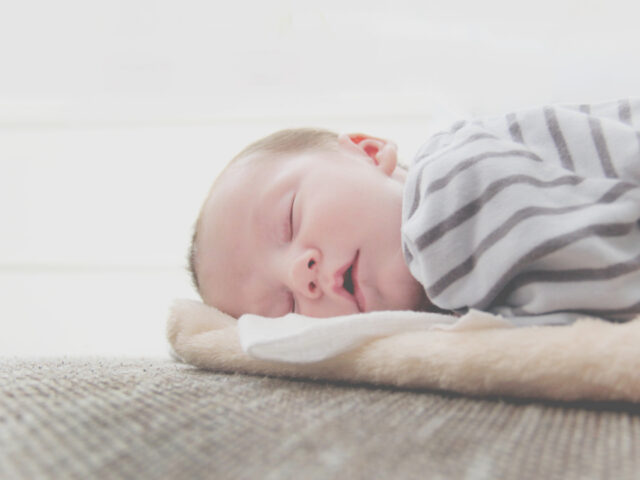
An old friend, without kids of her own, asked what actually genuinely changed after having my daughter, and I found myself genuinely struggling to name it precisely at first.
Having kids quietly changes who you genuinely are, in ways that aren’t always dramatic but are genuinely permanent nonetheless, whether you notice at the time or not.
Here’s what actually, genuinely shifts, once you sit down and really try to describe it.

Why this change is so hard to articulate
The shifts are largely internal, priorities, patience, perspective, rather than visible, genuinely easily described external changes anyone could point to.
Many of these changes genuinely happen gradually, which makes them genuinely hard to notice in the actual moment and hard to name clearly afterward too.
This doesn’t make the change any genuinely less real. It just makes it genuinely harder to describe to someone who hasn’t actually experienced it firsthand themselves.
How Having Kids Quietly Changes Who You Are
Your capacity for patience genuinely expands in ways you genuinely didn’t know were possible, and also gets tested considerably more than you ever expected going in.
Your sense of time genuinely shifts entirely, both feeling impossibly slow in the hardest moments and impossibly fast across the passing years.
Your own childhood genuinely gets reprocessed, understood entirely differently once you’re actually the one responsible for someone else’s own childhood.
Your priorities genuinely reorganize themselves, often without any conscious decision, around a person who genuinely didn’t exist a short time ago at all.
Your relationship to your own needs genuinely shifts, sometimes too far toward self-sacrifice before you genuinely notice and recalibrate accordingly over time.
What surprised me most about my own change
How much more afraid I genuinely became of things I’d never once worried about before, and how much braver I genuinely became about others entirely.
How my own sense of humor genuinely shifted, finding an entirely new category of things genuinely funny that genuinely weren’t funny before at all.
How much I started genuinely noticing other parents, a quiet solidarity with strangers I’d genuinely never previously paid any attention to before.
What doesn’t actually change, despite expectation
Your core personality remains largely intact, even as priorities and daily rhythms genuinely shift considerably around it entirely.
Your own interests and identity, while genuinely reshaped, don’t have to disappear entirely into the parenting role itself.
The person you were before still exists, integrated into rather than entirely erased by who you’ve genuinely become since.

What helps this change feel less disorienting
Naming the shift out loud, rather than quietly wondering why you genuinely feel different, makes the change feel considerably less confusing overall.
Talking with other parents who describe the same quiet shift helps genuinely normalize what can otherwise feel isolating to notice alone.
Giving yourself permission to grieve the previous version briefly, without guilt, makes genuine room for actually embracing the new one.
How this shifts across different parenting stages
The earliest years often bring the most disorienting identity shift, given how genuinely completely they reorganize daily life around a new person.
As kids grow more independent, some of the earlier intensity genuinely eases, revealing a more integrated version of the changed self.
The change never fully stops. It just becomes a more settled, ongoing part of who you genuinely are rather than a constant disruption.
What this change looks like from the outside versus the inside
From outside, the change often looks like reduced availability or a shift in priorities that can seem genuinely surprising to old friends.
From inside, it feels considerably less like loss and more like expansion, a self that now genuinely includes someone else at its actual center.
Both perspectives are genuinely real. They’re just describing the exact same shift from genuinely different vantage points entirely.
What role becoming a grandparent someday might eventually reveal about this same shift
Several parents further along the road describe a genuinely interesting phenomenon, watching their own adult children become parents themselves brings the original identity shift back into sharp, renewed focus, this time from a slightly removed vantage point.
Hearing an adult child describe the exact same disorientation a parent once felt themselves often provides a kind of full-circle validation that the change was genuinely real and universal, not something unique to any single person’s specific experience of it.
This suggests the shift isn’t something that simply resolves once and stays fixed, it’s something that continues to reveal new layers of meaning across an entire lifetime, long after the initial disorientation of new parenthood has genuinely settled.
What partners sometimes experience differently through this same transition
Not every parent experiences this identity shift with the same intensity or on the same timeline, and a genuine mismatch between partners, one feeling fundamentally changed while the other feels comparatively similar to before, can create real confusion within a relationship if it isn’t named directly.
Talking openly about this difference, rather than assuming a partner should be experiencing parenthood identically, tends to ease resentment that can otherwise quietly build around an unspoken, unequal sense of transformation between two people going through what looks like the same experience from the outside.
What this shift teaches about identity that goes beyond parenthood itself
The experience of watching your own priorities and sense of self reorganize around another person, without ever choosing that reorganization consciously in advance, offers a genuine window into how much of identity generally is actually shaped by circumstance rather than by deliberate, upfront decision.
This realization can feel unsettling at first, but it also offers a kind of quiet reassurance, that identity was never as fixed or as fully self-authored as it might have once seemed, and that this particular kind of change is simply a more visible, concentrated version of something that happens throughout an entire life.
Understanding the shift this way, as one significant instance of an ongoing, lifelong pattern rather than a singular, isolated event, can make it feel considerably less like a loss of self and more like one chapter in a genuinely continuous, evolving story.
What friendships without kids can genuinely still offer through this transition
A friendship with someone who genuinely hasn’t had this particular experience doesn’t have to fade simply because one person’s daily reality has shifted so dramatically, even though the friendship itself will genuinely likely require more intentional effort than it once did before.
A childless friend often provides a genuinely valuable outside perspective, a real connection to the version of yourself that existed before, and a reminder that your full identity was genuinely never only ever about parenting in the first place at all.
Making genuine space for these friendships, even in a genuinely busier season of life, tends to preserve something genuinely valuable that’s easy to lose entirely if every single relationship gradually narrows down to other parents experiencing the exact same specific stage of life.
What role grief plays alongside genuine joy in this transition
It’s genuinely possible to love your kid completely and still genuinely miss specific pieces of a previous life, spontaneity, uninterrupted sleep, a quieter sense of self, without that missing meaning anything negative about how you actually, truly feel toward your kid or your current life today.
Allowing both feelings to genuinely exist honestly, side by side, rather than suppressing the grief out of guilt or fear it somehow undermines the joy, tends to produce a genuinely more honest and more sustainable relationship with the whole transition over time and across the years.
Parents who genuinely describe this duality most openly often report feeling considerably less alone in it, since the quiet assumption that good parents should only feel unambiguous gratitude turns out to be far less universal and far less accurate than it initially seems from the outside looking in.
What I’d tell my friend now, if I could answer better
That the change is genuinely real, permanent, and mostly good, even in the parts that are genuinely, honestly hard to actually live through some days.
That you genuinely don’t lose yourself entirely, no matter how much it can feel that way in the harder, more exhausting moments. You become a version of yourself that genuinely includes someone else at the center too.
If the identity shift specifically around new motherhood resonates, this look at postpartum identity loss covers that related, earlier piece of the same thread in more depth.
Talking about this openly, rather than assuming everyone else has it figured out, tends to make the whole transition feel considerably less isolating for everyone involved.
Having kids changes you quietly, permanently, and mostly for the better, even on the days it doesn’t feel that way at all. The shift is real, even when it’s genuinely hard to fully name or fully explain to anyone else.