My daughter clamps her hands over her ears at sounds other kids barely seem to notice, and I’ve had to learn what’s actually happening for her.
Some kids genuinely experience everyday sounds as overwhelming, and understanding why changes how you support them, rather than accidentally making the reaction worse through misunderstanding.
Here’s what’s actually going on, and what genuinely helps.
Why some kids experience sound so differently
Auditory sensitivity, a genuine sensory processing pattern, means certain sounds register as more intense or distressing than they do for most people. The nervous system essentially turns the volume up on certain frequencies or unpredictable noises, so a sound that barely registers for one kid can feel genuinely painful for another.
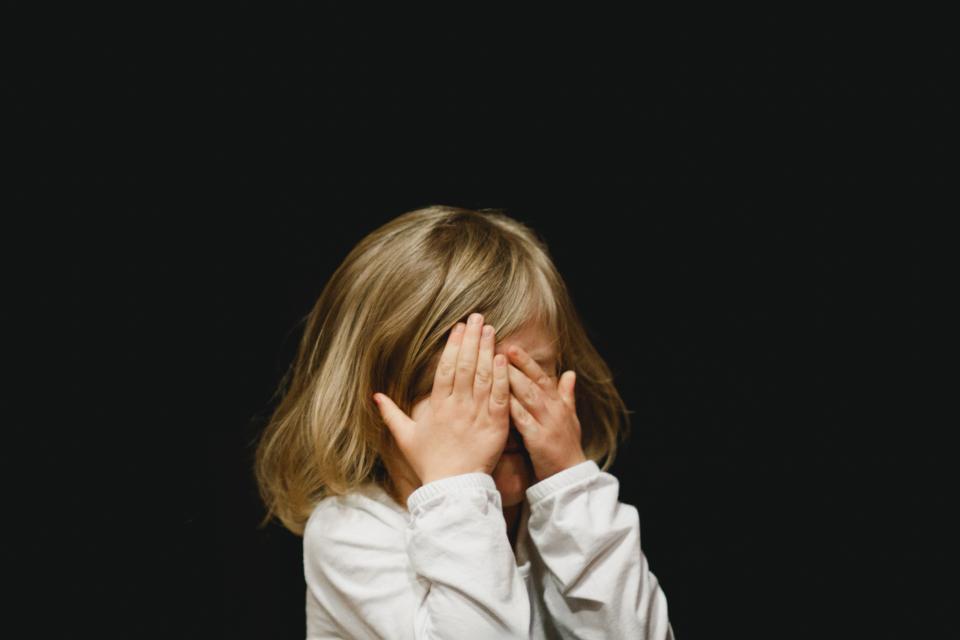
This isn’t oversensitivity or drama. It’s a real, documented difference in how the nervous system processes sound, closer to a physical response than an emotional choice. A kid covering their ears isn’t performing distress. They’re managing it.
Understanding this reframes ear-covering as a genuine coping response, not attention-seeking or exaggeration. Once it’s seen as a real strategy rather than a behavior to correct, the whole approach to supporting it changes.
Why Your Child Covers Their Ears At Everyday Sounds
Sudden, unpredictable sounds, a vacuum, a hand dryer, a dog barking, are common triggers for genuine auditory sensitivity. The unpredictability is often as much of a factor as the volume itself, since the nervous system has no chance to brace for what’s coming.
High-pitched or specific frequency sounds can feel disproportionately intense for a sensitive nervous system. A smoke detector chirp, a blender, or a particular pitch of laughter can trigger a reaction that seems wildly out of proportion to an adult, but isn’t out of proportion at all from the inside.
Environments with layered, competing sounds, a crowded space, can overwhelm auditory processing even more than one loud sound alone. A birthday party with music, chatter, and background noise all at once can be harder than any single loud sound in isolation.
This sensitivity often coexists with other sensory sensitivities, not existing as an isolated auditory issue alone. Texture, light, and touch sensitivities frequently travel together, forming a broader sensory profile rather than one standalone quirk.
What actually helps a sound-sensitive kid
Advance warning before a known loud sound, a vacuum or hand dryer, allows genuine mental preparation. A simple heads-up, “I’m about to turn on the vacuum,” gives the nervous system a moment to brace instead of being caught off guard.
Noise-reducing headphones offer a real, practical tool for navigating genuinely overwhelming environments. They’re not a crutch or an overreaction. They’re closer to sunglasses for someone with light sensitivity, a reasonable accommodation for a real physical difference.
Respecting the ear-covering itself as a valid coping response, rather than discouraging it, supports genuine regulation. Telling a kid to stop covering their ears removes their actual coping tool without offering anything to replace it.
What tends to make this harder for a sensitive kid
Dismissing the reaction as overreacting invalidates a genuine physical experience rather than actually helping. Being told “it’s not that loud” doesn’t change how loud it actually feels from the inside, it just adds confusion or shame on top of the original distress.
Forcing exposure to a distressing sound without support can increase anxiety rather than build tolerance. Pushing through without any accommodation tends to teach the nervous system that the environment is unsafe, which builds more anxiety, not less.
Ignoring a pattern across multiple sounds and settings misses the broader sensory picture worth addressing. A single sensitivity might be minor, but a consistent pattern across many different sounds and environments is worth paying closer attention to.

How this connects to broader sensory patterns
Auditory sensitivity frequently coexists with other sensory sensitivities, texture, light, touch, rather than existing in isolation. A kid who covers their ears at loud sounds might also struggle with certain fabric textures or bright fluorescent lighting, all part of the same underlying sensory processing style.
Recognizing the wider pattern, rather than treating sound sensitivity as a standalone quirk, gives a more accurate overall picture. It also helps explain reactions in other settings, a meltdown at a scratchy tag or a resistance to certain foods, that might otherwise seem unrelated.
An occupational therapist can help identify the fuller sensory profile if sound sensitivity is one part of a bigger pattern. They can offer specific, individualized strategies tailored to exactly how your kid’s nervous system processes the world.
How to explain this to siblings, teachers, and extended family
A sensitive kid’s ear-covering can confuse siblings or relatives who don’t share the same reaction and may assume it’s exaggerated or attention-seeking. A short, matter-of-fact explanation, “loud sounds genuinely hurt her ears more than they hurt yours,” tends to build understanding faster than an elaborate justification.
Teachers benefit from the same clarity, especially since a classroom is full of exactly the kind of layered, unpredictable noise that tends to overwhelm a sensitive kid. A brief note explaining the pattern, along with a request to allow noise-reducing headphones or a quiet corner during especially loud activities, can prevent a lot of unnecessary daily struggle.
Extended family, especially those from a generation less familiar with sensory processing differences, may need a little more patience and repetition. Framing it plainly, as a real physical difference rather than a behavior problem, tends to shift the response over time, even if it takes a few conversations to land.
When it’s worth a professional evaluation
Sound sensitivity significantly limiting daily activities, school, social events, is worth discussing with a pediatrician. If avoiding certain environments is becoming a regular pattern that shapes the whole family’s routine, that’s a meaningful sign worth following up on.
Sensitivity alongside other sensory patterns is worth mentioning as part of a broader sensory processing evaluation. The fuller picture tends to give both you and any specialist a clearer sense of what’s actually happening and what would genuinely help.
An evaluation, regardless of outcome, typically provides practical, individualized strategies for your specific kid. Even if nothing formal comes of it, the process alone tends to produce useful, concrete tools.
Everyday situations worth planning ahead for
Certain recurring situations are worth a specific plan rather than being handled reactively each time they come up. Fire drills at school, birthday parties with music and balloons popping, fireworks, and crowded family gatherings are common flashpoints that benefit from advance discussion rather than surprise.
Having a simple, consistent exit plan for overwhelming situations, a designated quiet spot, a signal she can give when she needs a break, gives her a sense of control over environments that would otherwise feel unpredictable. Knowing there’s an escape route, even if she never needs to use it, tends to reduce anticipatory anxiety before the event even starts.
Talking through a new or unfamiliar event beforehand, what sounds might be present, roughly how loud, how long it will last, gives her nervous system something concrete to prepare for instead of walking in blind. This kind of preparation has made a noticeable difference in how she handles events that used to be genuinely difficult for her.
What actually helped in our house
Keeping a small pair of noise-reducing headphones on hand gave her a genuine, practical tool for overwhelming moments, one she could reach for herself once she knew where they lived.
Warning her before known loud sounds, rather than letting them surprise her, noticeably reduced her overall distress, even on days when the sound itself couldn’t be avoided entirely.
If sensory patterns extend well beyond sound specifically, this look at what sensory-seeking behavior actually looks like covers that broader, related territory.
Sound sensitivity is a real physical experience, not oversensitivity. Practical tools and genuine respect help far more than dismissal, and that respect tends to shape how a sensitive kid feels about their own body for years afterward.
How this can shift as a kid gets older
Auditory sensitivity doesn’t necessarily stay the same intensity forever. Many kids develop their own coping strategies as they get older, learning to anticipate difficult environments and advocate for themselves, asking for headphones or a quieter spot without needing a parent to intervene every time.
Some sensitivities do ease naturally with age, while others remain a consistent part of how that particular kid experiences the world into adulthood. Either outcome is fine. The goal was never to eliminate the sensitivity, just to make sure it’s understood and accommodated rather than fought against.
Watching her grow more confident about naming her own needs, “can I wear my headphones for this part,” rather than only reacting after she’s already overwhelmed, has been one of the more encouraging, genuinely reassuring shifts to watch unfold gradually over the past couple of years of paying close attention.